The team

The people who made the day

Organisers

Who runs the workshop

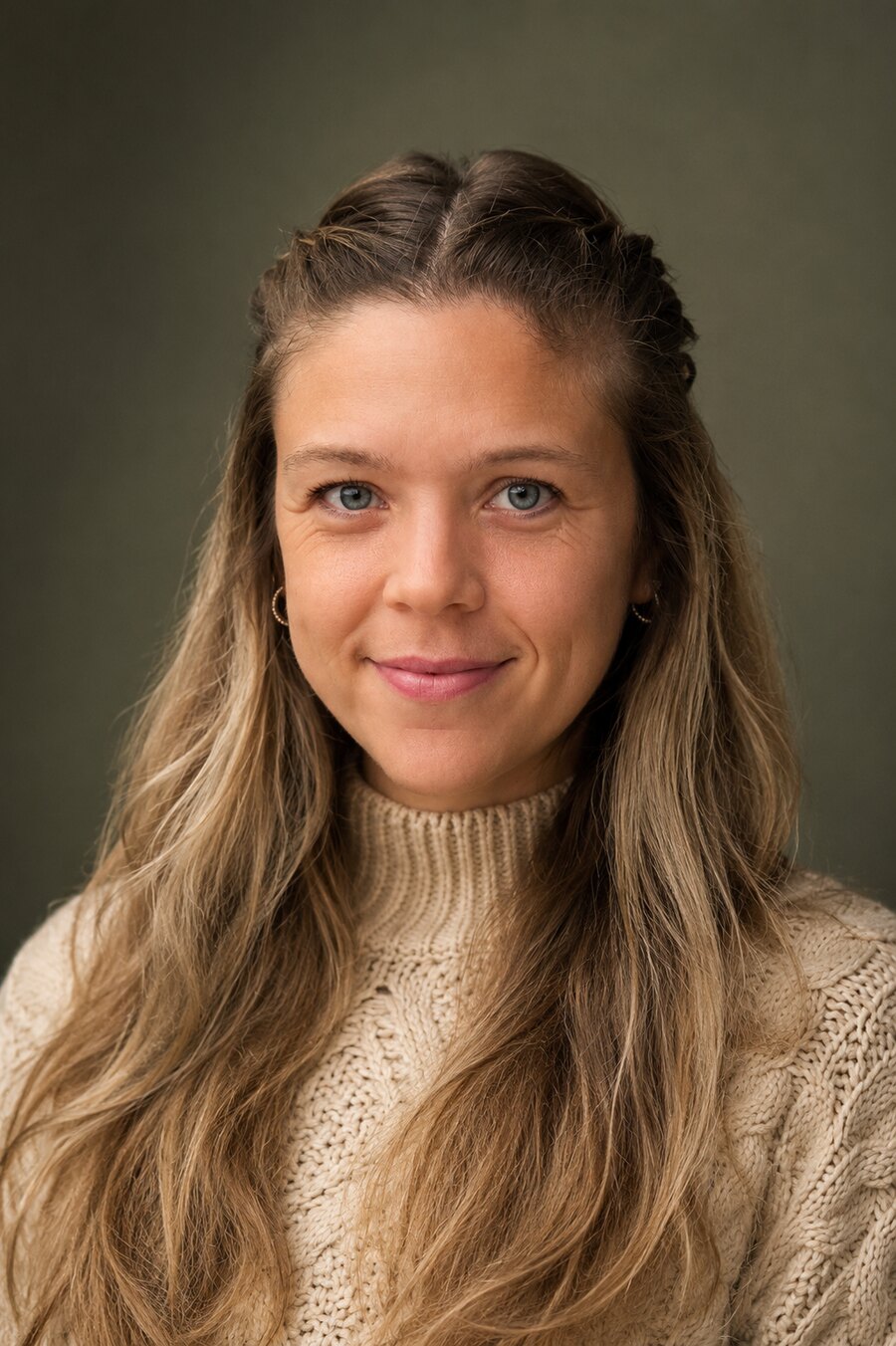
Lu Luque

Lu Luque

Organiser · CRUK Scotland Institute, Glasgow

Dr Luciana Melina Luque is a cross-disciplinary scientist working at the interface of physics, mathematics, computation, biology, and immuno-oncology. She is currently an independent Cross-Disciplinary Fellow in Cancer Research at the Cancer Research UK Scotland Institute in Glasgow, where she combines computational and experimental approaches to study cancer–immune interactions, with a particular focus on CAR T-cell immunotherapy.

Lu began her academic career in physics, completing her undergraduate degree at the National University of Catamarca, Argentina, before undertaking a Master’s degree in Theoretical Physics at Aix-Marseille University, France, where she worked on topics related to Loop Quantum Gravity. She later completed a PhD in statistical physics and critical phenomena at the National University of La Plata and the Institute of Physics of Liquids and Biological Systems, developing numerical and Monte Carlo approaches to study complex systems. She subsequently expanded her experience in computational biology through postdoctoral work and research internships at the Institute of Physical Chemistry Blas Cabrera in Madrid, the University of Edinburgh, Harvard Medical School, and King’s College London. Her transition into cancer research brought these quantitative tools into immuno-oncology, where she developed agent-based models to investigate CAR T-cell dynamics and therapeutic strategies.

Her expertise spans several pillars of computational biomedicine, including mathematical and computational modelling, agent-based modelling, multiplexed image analysis, bioinformatics, machine learning, and artificial intelligence. She has worked with high-dimensional spatial technologies such as Imaging Mass Cytometry, CODEX, and IHC, as well as RNA-seq, allowing her to study cancer across biological scales — from tissue architecture and cellular neighbourhoods to intracellular regulation. Her current work is increasingly wet-lab integrated, allowing her to generate, analyse, and interpret biological data in close collaboration with experimentalists, clinicians, and translational partners.

Lu is particularly interested in building mechanistic, data-informed models that can help bridge the gap between laboratory research and clinical impact. Her collaborative experience spans academia, clinical research, and the private sector, reflecting her commitment to developing computational tools that are biologically grounded, clinically relevant, and ultimately useful for patients. Alongside her scientific work, she is an advocate for women and underrepresented groups in STEM, using her own path from theoretical physics to cancer research to promote visibility, inclusion, and supportive scientific communities.
Anh Nguyen Phuong

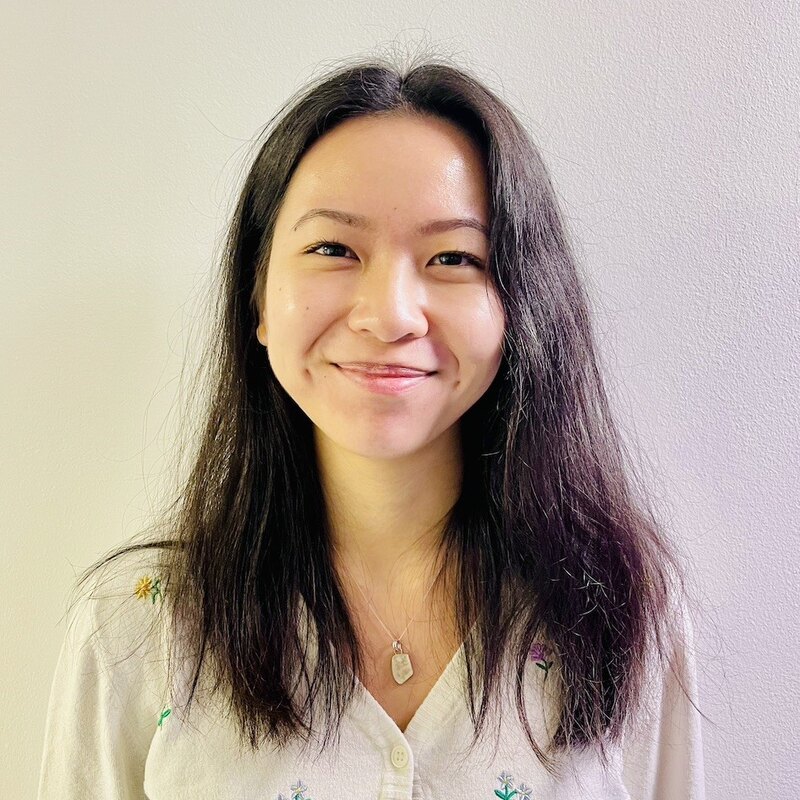
Anh Nguyen Phuong

Organiser · CRUK Scotland Institute, Glasgow

I’m a PhD student from Slovakia and Vietnam, joining the Integrative Modelling group at CRUK Scotland Institute in October 2024. My background in pharmacology and computational cancer research has led me to develop interest in leveraging spatial and omics data to untangle the complexities of cancer biology.

Currently, I am focused on analysing spatial features of cellular graphs and integration of spatial transcriptomics to identify potential prognostic and predictive biomarkers of colorectal cancer. In my free time, I enjoy reading, playing video games, and hiking.

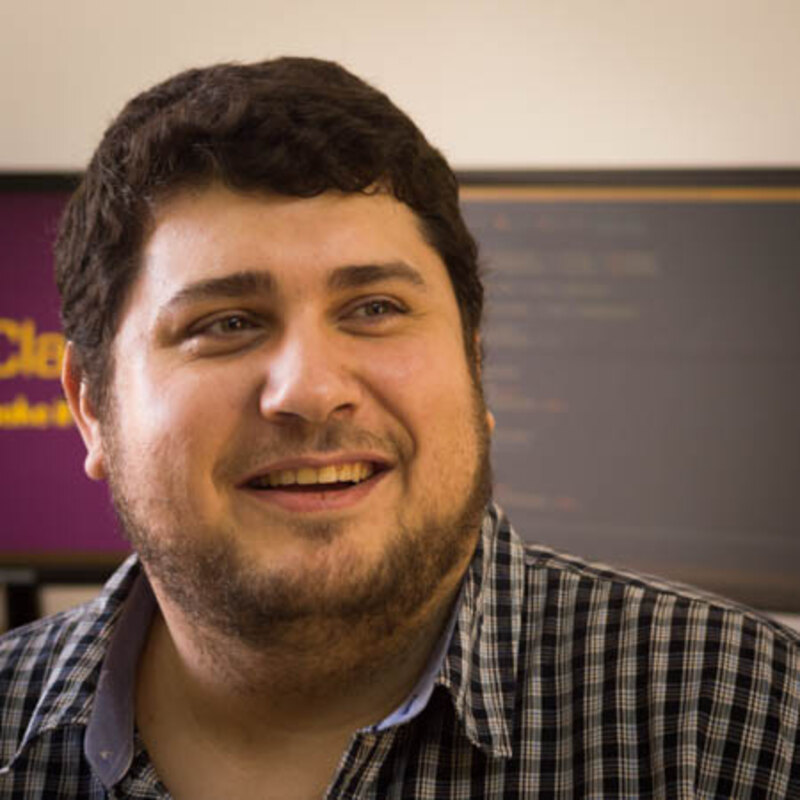
Rodrigo González

Rodrigo González

Organiser · KheprAI

Rodrigo is an artificial intelligence specialist with over 15 years of experience in the software industry. He has been working with AI since 2018, combining hands-on software development with technical leadership and helping organisations put these technologies into practice.

He is the founder and technical director of KheprAI, an AI lab focused on developing practical solutions and supporting organisations as they adopt AI. His work includes identifying where AI can be useful, integrating it into existing processes and training the people who will use it. He is also co-founder of AcademIA, an AI education platform.

His experience includes AI applications in healthcare, where he leads AI at CatalisIA, developing solutions to support patients, as well as adoption in sectors such as construction. Alongside his technical work, he teaches and speaks about applied AI, including its limitations and the considerations involved in using it responsibly.

As a member of the organising committee for Women in Computational Biology in Scotland, Rodrigo contributes his experience in software and applied AI to the workshop’s digital delivery. The website and registration system were developed through KheprAI. He also looks after the online programme and participant communications, supporting the event’s in-person and online audiences.

Academic expertise

Scientific committee

A standing group of academics from institutes across Scotland. The workshop turns to them whenever a question calls for subject expertise.

The work behind the programme

Thank you

A workshop runs on a great deal of work that never appears on a programme. The people below helped at every stage: securing funding and institutional backing, booking the lecture theatre and the catering, keeping budgets and approvals moving, shaping the invitations and the schedule, and, on the day itself, staffing the welcome desk, the poster session and the live stream. We are grateful to all of them.

Registration is closed

Online registration closed on 11 October 2026. If you registered to join online, your joining link will arrive by email before the workshop — nothing further is needed from you.

See the programme →
See the programme